> Antigen, Antibodies, ELISA, Western Blot > Primary Antibody > Polyclonal Antibodies > CLU Antibody (N-term)Brand |
Leading Biology | Catalog Number |
APG02671G |
Product Type |
Polyclonal Antibodies | Field of Research |
|
Product Overview |
We constantly strive to ensure we provide our customers with the best antibodies. As a result of this work we offer this antibody in purified format.
We are in the process of updating our datasheets. If you have any questions regarding this update, please feel free to contact our technical support team.
This product is a high quality CLU antibody (N-term).
|
||
Molecular Weight |
52495 Da
|
||
Cellular Localization |
Antigen Cellular Localization:
Isoform 1: Secreted. Note=Can retrotranslocate from the secretory compartments to the cytosol upon cellular stress
|
||
Host |
Rabbit
|
||
Species Reactivity |
Human, Mouse, Rat
|
||
Immunogen |
71-99 aa
|
||
Target |
This CLU antibody is generated from rabbits immunized with a KLH conjugated synthetic peptide between 71-99 amino acids from the N-terminal region of human CLU.
|
||
Isotype |
Rabbit Ig
|
||
Symbol |
APOJ, CLI, KUB1
|
||
GeneID |
|||
UniProt ID |
|||
Function |
Isoform 1 functions as extracellular chaperone that prevents aggregation of nonnative proteins. Prevents stress- induced aggregation of blood plasma proteins. Inhibits formation of amyloid fibrils by APP, APOC2, B2M, CALCA, CSN3, SNCA and aggregation-prone LYZ variants (in vitro). Does not require ATP. Maintains partially unfolded proteins in a state appropriate for subsequent refolding by other chaperones, such as HSPA8/HSC70. Does not refold proteins by itself. Binding to cell surface receptors triggers internalization of the chaperone-client complex and subsequent lysosomal or proteasomal degradation. Secreted isoform 1 protects cells against apoptosis and against cytolysis by complement. Intracellular isoforms interact with ubiquitin and SCF (SKP1-CUL1-F-box protein) E3 ubiquitin-protein ligase complexes and promote the ubiquitination and subsequent proteasomal degradation of target proteins. Promotes proteasomal degradation of COMMD1 and IKBKB. Modulates NF-kappa-B transcriptional activity. Nuclear isoforms promote apoptosis. Mitochondrial isoforms suppress BAX-dependent release of cytochrome c into the cytoplasm and inhibit apoptosis. Plays a role in the regulation of cell proliferation.
|
||
Summary |
The protein encoded by this gene appears to be involved inseveral basic biological events such as cell death, tumorprogression, and neurodegenerative disorders. However, the functionof this protein is unknown. Three transcript variants encodingdifferent isoforms have been found for this gene, and one of themis secreted and processed into a mature form.
|
||
Form |
Purified polyclonal antibody supplied in PBS with 0.09% (W/V) sodium azide. This antibody is purified through a protein A column, followed by peptide affinity purification. |
||
Storage & Stability |
Store at +4°C short term. For long-term storage, aliquot and store at -20°C or below. Stable for 12 months at -20°C. Avoid repeated freeze-thaw cycles.
|
||
Applications |
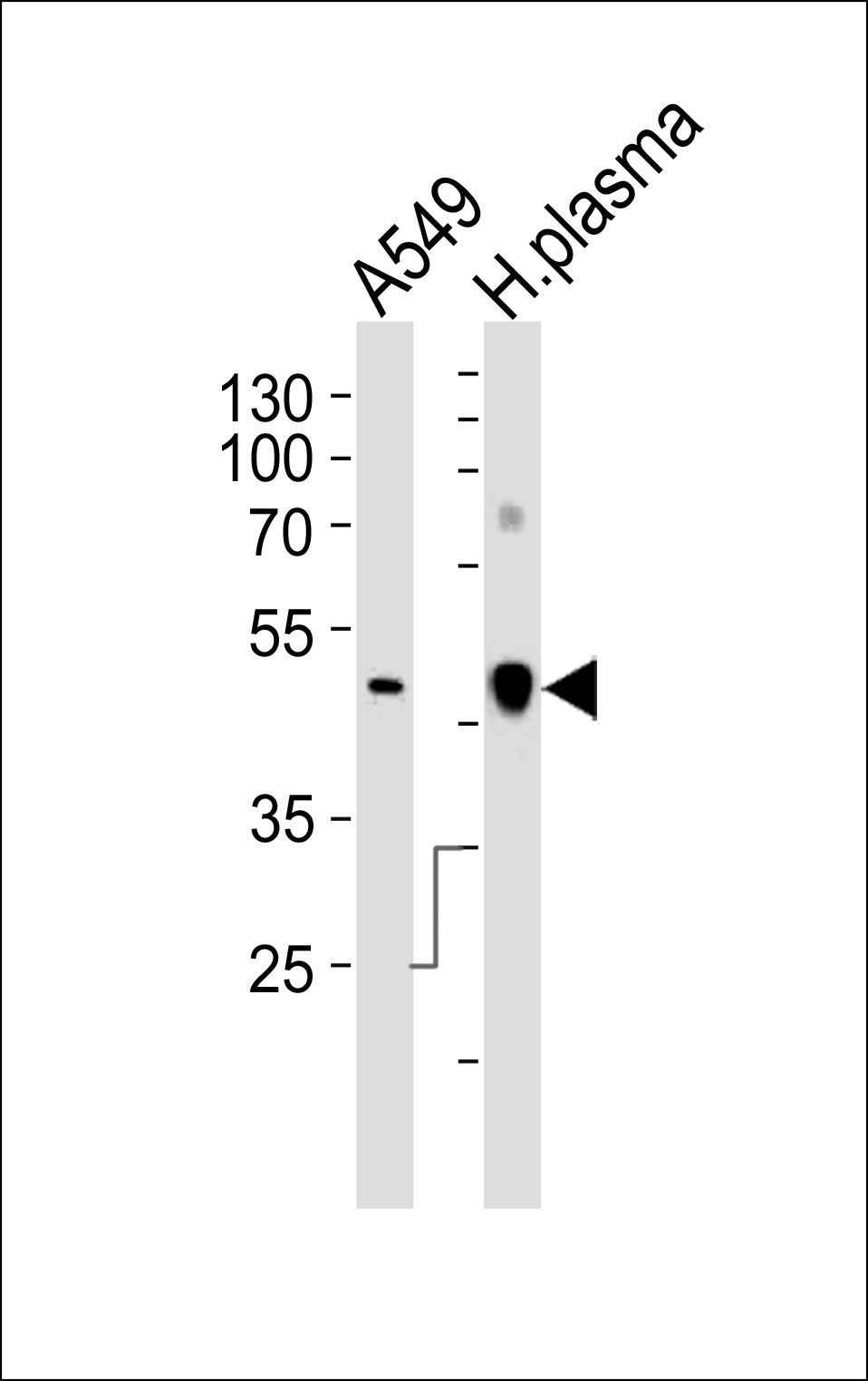
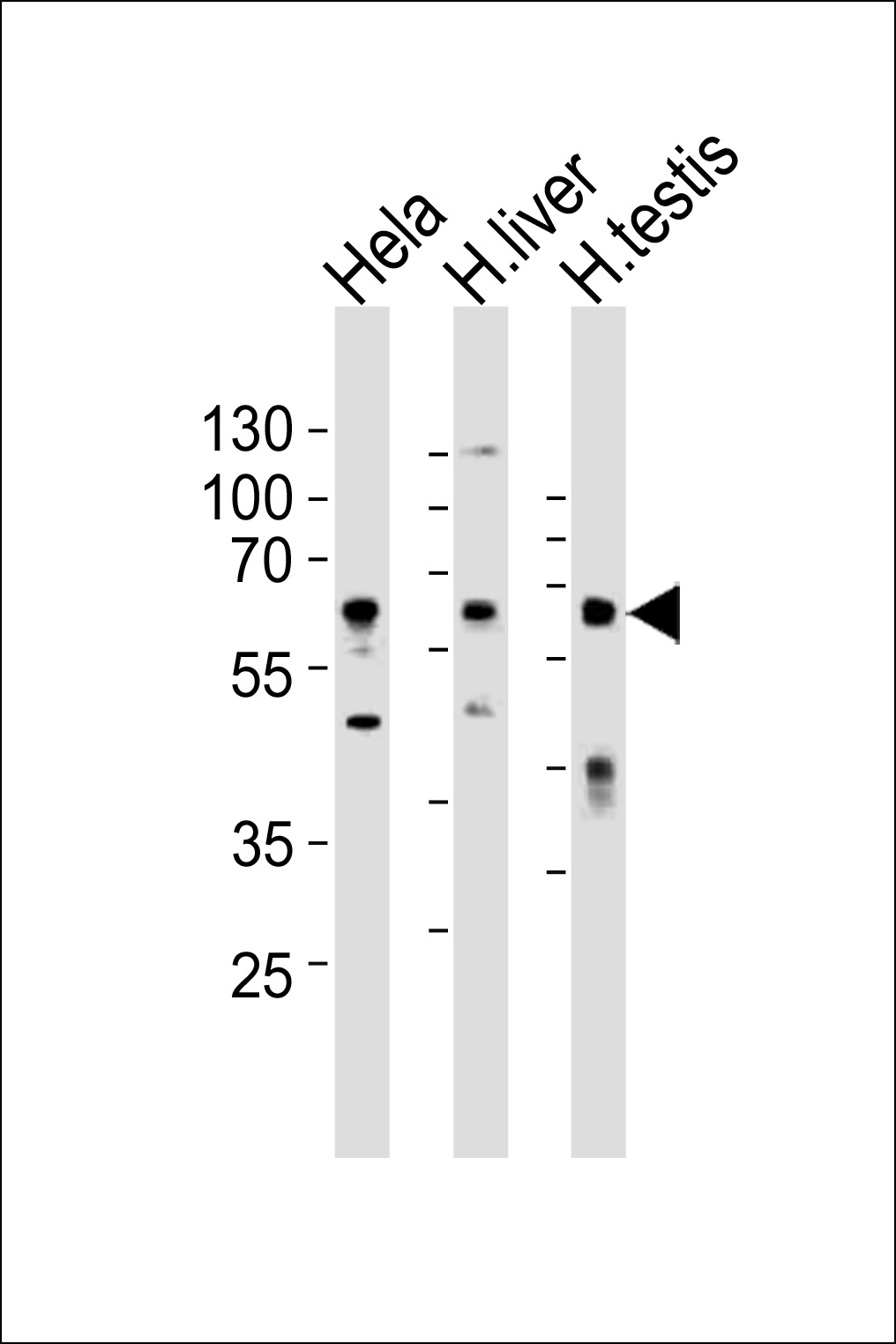
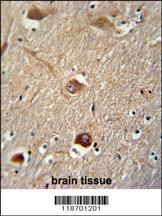
WB, IHC-P, FC, E
|
||
Dilution |
WB~~1:500-1000
IHC-P~~1:50~100
FC~~1:10~50
|
||
Synonyms |
Clusterin, Aging-associated gene 4 protein, Apolipoprotein J, Apo-J, Complement cytolysis inhibitor, CLI, Complement-associated protein SP-40, Ku70-binding protein 1, NA1/NA2, Testosterone-repressed prostate message 2, TRPM-2, Clusterin beta chain, ApoJalpha, Complement cytolysis inhibitor a chain, Clusterin alpha chain, ApoJbeta, Complement cytolysis inhibitor b chain, CLU, APOJ, CLI, KUB1
|
||
Images |
|
||
Specification |
|||
Quantity |
|
||
| Select | Brand | Catalog No. | Product Name | Pack Size | Type | Field of Research | Specification | Quantity | Price(USD) | |
| 1 | Leading Biology | APR03440G | ITGA11 Antibody (N-term) | 100 μl | Polyclonal Antibodies |
|
$495.00 | Add Ask | ||
| 2 | Leading Biology | APR04537G | CMIP Antibody (C-term) | 100 μl | Polyclonal Antibodies |
|
$495.00 | Add Ask | ||
| 3 | Leading Biology | APR12422G | Human H4 Histamine Receptor (extracellular) Antibody | 50 μl | Polyclonal Antibodies |
|
$695.00 | Add Ask | ||
| 4 | Leading Biology | APR03844G | UBE2W Antibody (C-term) | 100 μl | Polyclonal Antibodies |
|
$495.00 | Add Ask | ||
| 5 | Leading Biology | APR04349G | HECTD2 Antibody (N-term) | 100 μl | Polyclonal Antibodies |
|
$495.00 | Add Ask | ||
| 6 | Leading Biology | APR03502G | IGHG1 Antibody (Center) | 100 μl | Polyclonal Antibodies |
|
$495.00 | Add Ask |
Leading Biology Inc.
2600 Hilltop DR, Building G, B Suite C138
Richmond, CA, 94806
Tel: 1-661-524(LBI)-0262
Email: info@leadingbiology.com

You have 0 item in your cart
You have 0 item in your inquiry list