


Introduction
The whole-exome sequencing (WES) is a genomic technique for sequencing all of the protein-coding genes in a genome (known as the exome). It consists of two steps: the first step is to select only the subset of DNA that encodes proteins. And the second step is to sequence the exonic DNA using any high-throughput DNA sequencing technology. Exome sequencing can efficiently identify coding variants across a wide range of applications, including population genetics, genetic disease, and cancer studies.
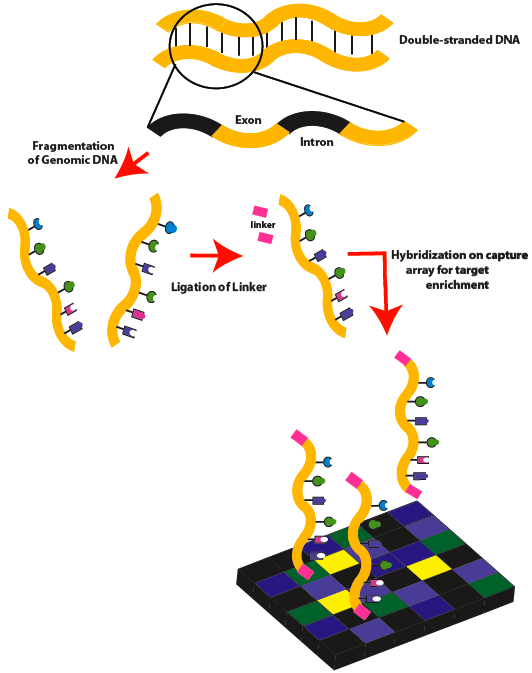
The WES advantages are:
(1). Identifies variants across a wide range of applications.
(2). Achieves comprehensive coverage of coding regions.
(3). Provides a cost-effective alternative to whole-genome sequencing.
(4). Produces a smaller, more manageable data set for faster, easier analysis compared to whole-genome approaches.
| No | Headline | Click | Author | Date |
| 1 | Plant and Animal Whole Genome Re-Sequencing | 966 | Leading Biology | 2018-01-26 |
| 2 | Whole Exome Sequencing | 996 | Leading Biology | 2018-01-26 |
| 3 | Whole Transcriptome Shotgun Sequencing | 1487 | Leading Biology | 2018-01-26 |
| 4 | smallRNA/microRNA/circRNA/LncRNA Sequencing | 960 | Leading Biology | 2018-01-26 |
| 5 | Bacterial Genome Sequencing | 1039 | Leading Biology | 2018-01-26 |
| 6 | Targeted Gene Sequencing | 1103 | Leading Biology | 2018-01-26 |
Leading Biology Inc.
2600 Hilltop DR, Building G, B Suite C138
Richmond, CA, 94806
Tel: 1-661-524(LBI)-0262
Email: info@leadingbiology.com


